Contents
Introduction
Understanding Copper Brazed Heat Exchangers
Key Factors in Sizing Your Copper Brazed Heat Exchanger
Step-by-Step Guide to Sizing Your Copper Brazed Heat Exchanger
Common Mistakes to Avoid When Sizing Your Copper Brazed Heat Exchanger
How to Choose the Right Copper Brazed Heat Exchanger for Your Application
Conclusion
FAQ
Introduction
When selecting a copper brazed heat exchanger for your system, understanding the correct sizing is crucial. Proper sizing ensures optimal performance, energy efficiency, and longevity of the equipment. Whether you are working on industrial applications or professional systems, this comprehensive guide will help you make informed decisions when sizing your copper brazed heat exchanger. With a focus on practical steps and considerations, we’ll explore the essential factors that influence sizing decisions, how to calculate key parameters, and common mistakes to avoid.
Understanding Copper Brazed Heat Exchangers
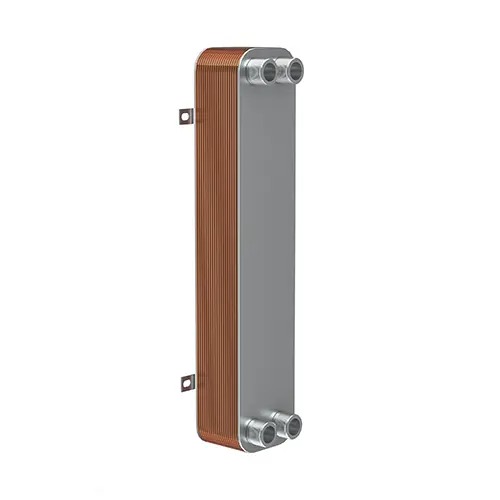
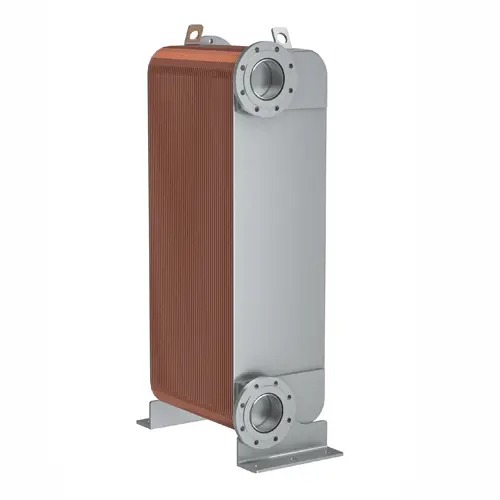
Before delving into the sizing process, it’s important to understand what a copper brazed heat exchanger is and why it is a popular choice in various industries. A copper brazed heat exchanger consists of copper plates that are welded or brazed together to form a compact, efficient unit that facilitates heat transfer. Known for its durability and high efficiency, these heat exchangers are commonly used in refrigeration, HVAC systems, and industrial cooling processes.
One of the key benefits of copper brazed heat exchangers is their ability to handle high-pressure and temperature environments. This makes them ideal for professional-grade, industrial applications where performance and longevity are paramount. Additionally, copper is highly resistant to corrosion, making it suitable for systems exposed to varying environmental conditions.

Key Factors in Sizing Your Copper Brazed Heat Exchanger
Sizing a copper brazed heat exchanger is a process that involves several technical considerations. To ensure the heat exchanger performs effectively, several key factors must be taken into account:
Heat Load and Flow Rate
The heat load is the amount of heat energy that needs to be transferred. This will typically depend on the system's requirements—whether you need to cool or heat a substance. Accurate calculation of the heat load is essential to determine the proper size of the copper brazed heat exchanger.
The flow rate is the volume of fluid passing through the heat exchanger per unit of time. To maintain efficient heat transfer, the flow rate should be matched to the heat load, ensuring that the exchanger can process the required heat without overloading or underperforming.
Temperature Differential
The temperature differential refers to the difference in temperature between the two fluids being exchanged. This factor influences the surface area of the heat exchanger needed to achieve the desired heat transfer. A larger temperature differential means a more efficient heat exchange but can also affect the size of the heat exchanger.
Material Considerations
The choice of materials for the heat exchanger plays a significant role in its performance. Copper brazed heat exchangers are often chosen for their excellent thermal conductivity and durability. However, when sizing a heat exchanger, it’s essential to account for the material's ability to withstand the operating conditions, including pressure, temperature, and corrosion factors.
Pressure Drop
Pressure drop refers to the reduction in pressure as the fluid moves through the heat exchanger. If the pressure drop is too high, it can result in decreased efficiency and potentially damage the system. Understanding the acceptable pressure drop is critical when selecting the right copper brazed heat exchanger for your application.
Step-by-Step Guide to Sizing Your Copper Brazed Heat Exchanger
Now that we’ve covered the key factors involved in sizing a copper brazed heat exchanger, let’s break down the process step by step:
Step 1: Calculating Heat Load
The first step in sizing your copper brazed heat exchanger is to calculate the heat load. Heat load is defined as the amount of heat that needs to be transferred to achieve the desired temperature change. You can calculate the heat load using the following formula:
Q=m×cp×ΔTQ = m \times c_p \times \Delta TQ=m×cp×ΔT
Where:
QQQ is the heat load (in watts)
mmm is the mass flow rate of the fluid (kg/s)
cpc_pcp is the specific heat capacity of the fluid (J/kg·K)
ΔT\Delta TΔT is the temperature difference between the inlet and outlet fluids (°C or K)
Step 2: Determining Flow Rate
Once you know the heat load, you can determine the flow rate required to handle the heat load effectively. This can be calculated using the formula:
V˙=Qρ×cp×ΔT\dot{V} = \frac{Q}{\rho \times c_p \times \Delta T}V˙=ρ×cp×ΔTQ
Where:
V˙\dot{V}V˙ is the volumetric flow rate (m³/s)
ρ\rhoρ is the density of the fluid (kg/m³)
cpc_pcp is the specific heat capacity of the fluid (J/kg·K)
ΔT\Delta TΔT is the temperature difference (°C or K)
QQQ is the heat load (watts)
Step 3: Evaluating Temperature Differential
To ensure that your copper brazed heat exchanger operates efficiently, it’s important to consider the temperature differential. The larger the differential, the smaller the surface area needed for heat exchange. However, the temperature difference must not exceed the material limits, as this can cause system stress or failure.
Step 4: Pressure Drop Considerations
As the fluid passes through the heat exchanger, a certain amount of pressure drop occurs. This must be calculated and kept within acceptable limits to ensure the system's overall efficiency. The pressure drop can be estimated using the following formula:
ΔP=f×(LD)×ρ×v22\Delta P = f \times \left( \frac{L}{D} \right) \times \frac{\rho \times v^2}{2}ΔP=f×(DL)×2ρ×v2
Where:
ΔP\Delta PΔP is the pressure drop (Pa)
fff is the friction factor
LLL is the length of the heat exchanger (m)
DDD is the diameter of the flow path (m)
ρ\rhoρ is the density of the fluid (kg/m³)
vvv is the velocity of the fluid (m/s)
Step 5: Final Sizing and Selection
Once all of the above factors are calculated, you can proceed with the final sizing of your copper brazed heat exchanger. Make sure to select a model that fits within the calculated parameters while ensuring durability, energy efficiency, and performance.

Common Mistakes to Avoid When Sizing Your Copper Brazed Heat Exchanger
Underestimating Heat Load: Failing to properly calculate the heat load can lead to undersized heat exchangers, which can result in poor performance and higher energy consumption.
Overlooking Pressure Drop: Ignoring the pressure drop in the system can cause operational issues and reduced efficiency over time.
Ignoring Material Compatibility: Choosing a heat exchanger without considering the material’s resistance to corrosion or high temperatures can lead to premature failure.
Incorrect Flow Rate: A flow rate that doesn’t match the heat load or system requirements will lead to inefficiencies and suboptimal heat transfer.
How to Choose the Right Copper Brazed Heat Exchanger for Your Application
Choosing the right copper brazed heat exchanger depends on understanding the unique requirements of your system. Consider factors such as the desired temperature range, fluid type, pressure conditions, and environmental factors. Industrial-use copper brazed heat exchangers are built to withstand demanding conditions, while professional units are designed for more precise applications.
Here’s a quick reference guide for choosing a copper brazed heat exchanger based on common applications:
| Application | Flow Rate | Heat Load | Size/Dimensions | Pressure Rating |
| HVAC Systems | Medium | High | Compact | Low to Medium |
| Industrial Cooling Systems | High | Very High | Large | High |
| Refrigeration Systems | Low to Medium | Medium | Small | Medium |
Conclusion
Correctly sizing your copper brazed heat exchanger is essential to ensure efficient heat transfer, system reliability, and energy savings. By considering factors such as heat load, flow rate, temperature differential, and pressure drop, you can make informed decisions about the right size for your system. Avoid common mistakes and follow the step-by-step process outlined in this guide for optimal results. Proper sizing not only enhances the performance of your heat exchanger but also prolongs its lifespan and reduces maintenance costs.
FAQ
Q1: What is the primary benefit of using a copper brazed heat exchanger?
A: The primary benefits are high efficiency, durability, and resistance to corrosion, making it ideal for industrial and professional applications.
Q2: Can a copper brazed heat exchanger be used in both heating and cooling applications?
A: Yes, copper brazed heat exchangers can be used for both heating and cooling, depending on the system design and fluid requirements.
Q3: How do I ensure that my copper brazed heat exchanger is properly maintained?
A: Regular inspection for corrosion, checking for leaks, and maintaining proper fluid flow and temperature differential will help ensure your heat exchanger functions efficiently.
Q4: What is the typical lifespan of a copper brazed heat exchanger?
A: With proper maintenance, copper brazed heat exchangers can last 10-15 years, depending on environmental conditions and usage.