


Contents
Copper Brazed vs. Stainless Steel Brazed Heat Exchangers: A Material Comparison
How to Choose Between Copper and Stainless Steel Brazed Heat Exchangers
Introduction
In the field of heat exchangers, material selection plays a crucial role in determining the performance, efficiency, and longevity of the system. Copper brazed heat exchangers and stainless steel brazed heat exchangers are two of the most widely used materials in industrial applications. Each material has distinct advantages and disadvantages, making it essential to understand the differences when choosing the right option for specific applications. This article explores the key differences between copper brazed and stainless steel brazed heat exchangers, comparing their pros, cons, and material characteristics to help guide your decision-making process.
Understanding Copper Brazed Heat Exchangers
Key Characteristics of Copper Brazed Heat Exchangers
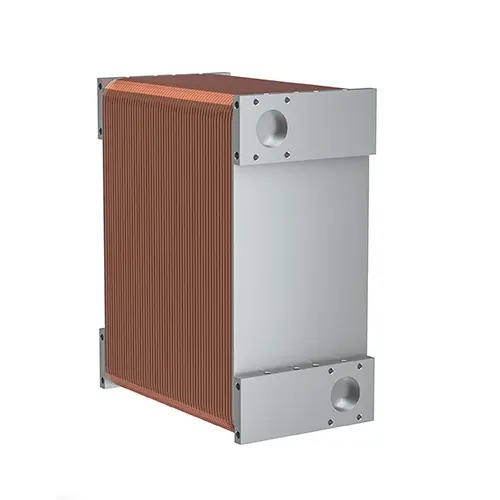
A copper brazed heat exchanger is a heat transfer device in which copper is used for the brazing process to bond the components together. Copper’s excellent thermal conductivity and malleability make it an ideal choice for high-efficiency heat transfer applications. Copper brazed heat exchangers are known for their durability, high thermal conductivity, and compact design, making them highly effective in industries requiring quick and efficient heat transfer.
Copper brazed heat exchangers typically use copper as the brazing material, but they may feature other metals for the heat exchanger's core, like aluminum or stainless steel, depending on the application’s demands. The copper brazing method involves heating copper to its melting point and using it to join components under high pressure. This method creates a strong bond that improves the heat exchanger's overall performance.
Applications and Benefits of Copper Brazed Heat Exchangers
Copper brazed heat exchangers are typically used in applications where high thermal performance is essential, such as in HVAC systems, refrigeration, and industrial cooling systems. Their high efficiency makes them ideal for these high-demand settings.
Some of the key benefits of copper brazed heat exchangers include:
High thermal conductivity, which leads to better heat transfer and more efficient cooling.
Corrosion resistance in specific applications, especially in environments with high temperatures.
Compact and lightweight, making them easy to install and suitable for a variety of applications.
Durability in certain environments, especially where heat cycling is common.
However, copper's natural softness can sometimes pose a challenge in extremely high-pressure environments, where stainless steel might be preferred.
Exploring Stainless Steel Brazed Heat Exchangers
Key Characteristics of Stainless Steel Brazed Heat Exchangers
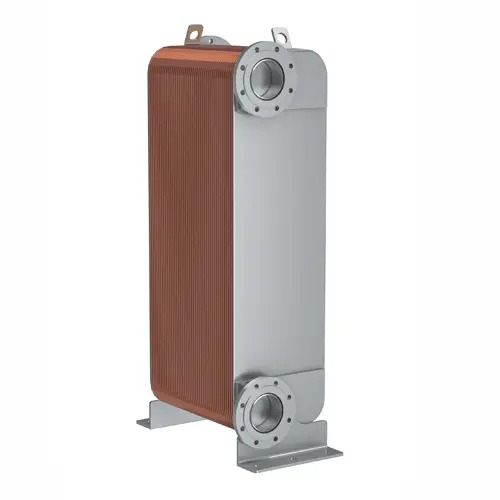
Stainless steel brazed heat exchangers use stainless steel components that are brazed together to form the heat exchanger unit. The brazing process for stainless steel typically involves a filler metal that has a lower melting point than the base materials. Stainless steel is highly valued in the industry due to its robustness, corrosion resistance, and ability to handle high-pressure conditions.
Stainless steel’s durability under extreme conditions, combined with its corrosion resistance, makes it an ideal choice for demanding industrial applications, such as chemical processing, power generation, and food processing industries.
Applications and Benefits of Stainless Steel Brazed Heat Exchangers
Stainless steel brazed heat exchangers are commonly used in industries where resistance to corrosion and high pressures is critical. The material is often chosen for its long lifespan, particularly in corrosive environments like marine and chemical sectors.
Key benefits of stainless steel brazed heat exchangers include:
Corrosion resistance, particularly in harsh environments such as those found in chemical processing and marine applications.
Strength and durability, making them suitable for high-pressure applications.
Versatility, as they can handle a broad range of temperatures and pressures.
Long lifespan in demanding industrial environments, reducing the need for frequent replacements.
However, stainless steel’s lower thermal conductivity compared to copper can lead to slightly reduced heat transfer efficiency in certain applications.
Copper Brazed vs. Stainless Steel Brazed Heat Exchangers: A Material Comparison
Durability and Corrosion Resistance
One of the most significant factors when choosing between copper brazed and stainless steel brazed heat exchangers is the material’s durability and resistance to corrosion. Copper is naturally resistant to corrosion, but it can degrade in highly acidic or alkaline environments. Stainless steel, on the other hand, is exceptionally resistant to corrosion and can handle more extreme environments, making it the ideal choice for industrial use in challenging conditions, such as those involving chemicals or salty environments.
| Feature | Copper Brazed Heat Exchangers | Stainless Steel Brazed Heat Exchangers |
|---|---|---|
| Corrosion Resistance | Moderate | Excellent |
| Durability | High in controlled conditions | High in harsh environments |
Thermal Conductivity and Efficiency
Copper brazed heat exchangers are known for their high thermal conductivity, which allows for superior heat transfer in systems that require efficient cooling or heating. Copper's high conductivity ensures that it can quickly transfer heat, making it ideal for systems like refrigeration units or HVAC.
In contrast, stainless steel has a lower thermal conductivity, which can make it less efficient in heat transfer when compared to copper. While stainless steel can handle higher pressures and harsher conditions, its lower thermal conductivity can limit its efficiency in certain heat exchange systems.
Weight and Size Considerations
Copper brazed heat exchangers are typically lighter than their stainless steel counterparts. This makes copper a better choice in applications where weight is a crucial factor, such as in transportation systems or compact industrial units. While stainless steel brazed heat exchangers tend to be heavier, their strength and resistance to corrosion in harsh environments make the extra weight a worthy trade-off in certain industrial applications.
Cost and Economic Considerations
Copper brazed heat exchangers are generally less expensive than their stainless steel counterparts, making them a cost-effective option in applications where budget constraints are a priority. However, the higher corrosion resistance and durability of stainless steel can justify the higher upfront cost in industries where longevity and reliability are critical, such as in marine or chemical processing environments.
How to Choose Between Copper and Stainless Steel Brazed Heat Exchangers
Choosing between copper brazed and stainless steel brazed heat exchangers depends on several factors:
Environment: For applications in corrosive environments, stainless steel is generally the better option due to its superior corrosion resistance.
Efficiency Needs: If thermal efficiency is the highest priority, copper brazed heat exchangers offer better performance in terms of heat transfer.
Pressure Requirements: Stainless steel brazed heat exchangers are more suitable for high-pressure environments.
Budget: Copper brazed heat exchangers tend to be more cost-effective, making them a good choice for budget-conscious applications.
Conclusion
Both copper brazed and stainless steel brazed heat exchangers offer unique advantages depending on the application. Copper brazed heat exchangers excel in applications where high thermal conductivity and cost-efficiency are essential. On the other hand, stainless steel brazed heat exchangers are ideal for industries where corrosion resistance and strength under high pressure are critical. By understanding the pros and cons of each material, you can make an informed decision on which heat exchanger best fits your needs.
FAQ
1. What are the main differences between copper and stainless steel brazed heat exchangers?
The key differences lie in thermal conductivity, corrosion resistance, durability, and cost. Copper offers better heat transfer but may not be as durable in harsh environments, while stainless steel excels in challenging conditions but is less thermally efficient.
2. Which type of heat exchanger is better for industrial use?
For industrial use, stainless steel brazed heat exchangers are often preferred due to their ability to withstand high pressures and corrosive environments.
3. Are copper brazed heat exchangers suitable for refrigeration?
Yes, copper brazed heat exchangers are commonly used in refrigeration systems due to their high thermal efficiency and compact design.
4. How does the weight of copper and stainless steel affect performance?
Copper brazed heat exchangers are generally lighter, making them easier to install and ideal for compact applications. However, stainless steel provides better durability and strength in demanding conditions, albeit at a higher weight.
5. Can copper brazed heat exchangers handle high-pressure environments?
While copper brazed heat exchangers are durable, they may not perform as well in extremely high-pressure environments compared to stainless steel heat exchangers, which are more robust in such conditions.
