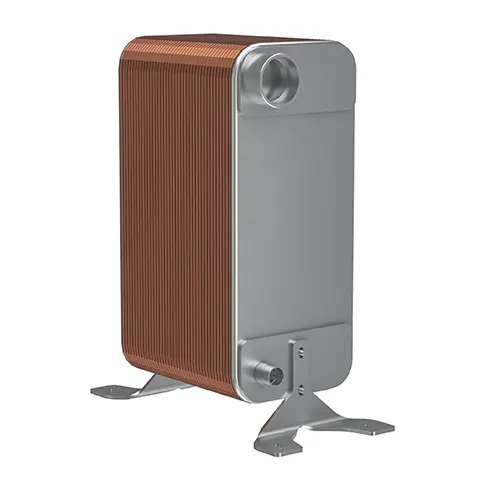
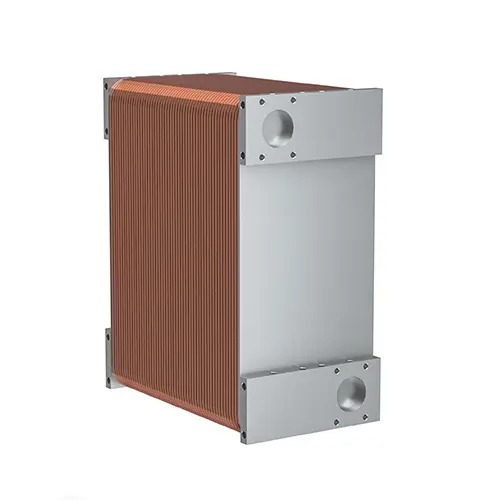
In the world of heat exchangers, copper brazed heat exchangers have become an essential component, particularly when it comes to improving heat transfer efficiency. The process of copper brazing involves joining copper components using a filler metal, often resulting in enhanced thermal conductivity, durability, and operational efficiency. This article dives deep into the mechanics of copper brazing and explores how this technique significantly improves heat transfer efficiency in plate heat exchangers, a commonly used system in industries like HVAC, refrigeration, and chemical processing.
As industries continue to focus on optimizing energy consumption and reducing costs, understanding the benefits of copper brazed heat exchangersis crucial. These heat exchangers not only offer high efficiency but are also incredibly durable and lightweight, making them the ideal choice for both industrial use and professional applications. Let’s explore why copper brazing has become a go-to solution in heat transfer technology.
Understanding Copper Brazing in Heat Exchangers
Copper brazing is a specialized process where copper is joined with another metal, typically through the use of a filler material that melts at a lower temperature than the base metal. In heat exchangers, this method is often used to bond copper plates, tubes, or fins in a way that creates a strong, leak-proof joint while maintaining excellent thermal conductivity.
In plate heat exchangers, copper brazing is preferred because it offers several key benefits:
Superior Thermal Conductivity: Copper is one of the best conductors of heat, and copper brazing helps create a seamless connection between plates, allowing for more efficient heat transfer.
Durability: The brazing process results in strong joints that are resistant to stress and corrosion, ensuring long-lasting performance even in high-pressure or high-temperature environments.
Compactness: Brazed joints are smaller and lighter compared to welded ones, which reduces the overall weight and size of the heat exchanger without compromising on performance.
By using copper brazing, manufacturers can create heat exchangers that offer improved thermal efficiency while remaining robust enough for industrial applications.
Key Advantages of Copper Brazing for Heat Transfer Efficiency
When evaluating heat transfer efficiency, there are several factors that make copper brazed heat exchangers stand out:
Enhanced Thermal Conductivity: Copper naturally has superior thermal conductivity, meaning it can transfer heat much faster than other metals. When copper brazing is employed, the heat exchanger can effectively transfer heat between fluids or gases in the most efficient manner possible. This results in faster heat exchange cycles and improved system performance.
Reduced Fouling and Scaling: The smooth, well-formed joints created by copper brazing reduce the likelihood of fouling or scaling. Unlike traditional welding, where irregular surfaces may promote the buildup of minerals or other deposits, brazed copper surfaces remain smoother, minimizing the chance of buildup that could impede heat transfer.
Increased Pressure Resistance: The brazing process creates stronger, more resilient joints that can withstand higher pressures and temperatures compared to traditional soldering or other joining methods. This increased durability translates into fewer maintenance requirements and longer operational lifespans for heat exchangers.
Improved Resistance to Corrosion: Copper's natural resistance to corrosion is further enhanced by the brazing process, particularly when used in environments where exposure to moisture or harsh chemicals is common. This makes copper brazed heat exchangers highly suitable for industries like chemical processing and refrigeration.
How Copper Brazing Enhances Plate Heat Exchanger Performance
Plate heat exchangers are known for their compact design and ability to transfer heat effectively between two fluids. By utilizing copper brazing, these systems achieve better overall performance, which is essential for many industrial use cases.
Here’s how copper brazing improves the performance of plate heat exchangers:
Improved Heat Transfer Efficiency: Copper's high thermal conductivity, coupled with the precise, smooth joints formed during brazing, ensures that the heat exchanger operates at maximum efficiency. More heat is transferred in less time, which can improve overall system performance and reduce energy consumption.
Enhanced Strength and Durability: The brazing process creates a joint that is stronger and more durable than traditional soldering, ensuring that the heat exchanger can endure high thermal and mechanical stresses. This is critical for industries that operate in extreme conditions, where reliability is key.
Better Flow Characteristics: The brazing process also helps maintain smoother flow paths inside the heat exchanger. By eliminating irregularities in the joint, the fluid flows more efficiently through the system, reducing resistance and improving overall heat transfer.
Lightweight Design: Copper brazed heat exchangers are significantly lighter than those made with welded joints, which allows for easier installation, transportation, and maintenance. This is particularly important in industries where space and weight are critical, such as in automotive or aerospace applications.
Copper Brazing vs Traditional Soldering Methods: A Comparative Overview
While copper brazing is highly effective, it is often compared to traditional soldering methods. Below is a table comparing the two techniques in terms of their efficiency and performance:
Feature
Copper Brazing
Traditional Soldering
Thermal Conductivity
Superior, high efficiency in heat transfer
Moderate, lower efficiency in heat transfer
Joint Strength
Stronger, durable, high-pressure resistance
Weaker, less durable under high stress conditions
Corrosion Resistance
Excellent, ideal for harsh environments
Lower, can degrade over time in corrosive environments
Temperature Resistance
Can handle higher temperatures
Limited temperature tolerance
Compactness
Compact, lightweight design
Generally bulkier and heavier
As the table shows, copper brazing offers significant advantages over traditional soldering methods, particularly in terms of heat transfer efficiency and long-term durability.
Factors Influencing Heat Transfer Efficiency in Copper Brazed Heat Exchangers
Several factors influence the heat transfer efficiency of copper brazed heat exchangers, including:
Plate Design: The surface area and configuration of the plates play a significant role in how efficiently heat is transferred. A well-designed plate can enhance the thermal performance of the brazed system.
Flow Arrangement: The flow arrangement of the fluids in the heat exchanger affects how effectively heat is transferred between the fluids. A countercurrent flow arrangement, for example, is more efficient than parallel flow.
Fluid Properties: The type of fluid and its flow characteristics can impact heat transfer efficiency. Fluids with high heat capacities and low viscosities are typically better for heat transfer.
Operating Conditions: The temperature, pressure, and flow rates of the fluids can all affect the heat exchanger's performance. Copper brazed heat exchangers are especially effective under high-pressure and high-temperature conditions, where traditional methods might falter.
Applications of Copper Brazed Heat Exchangers in Various Industries
Copper brazed heat exchangers are used in a variety of industrial and professional applications. Some key industries that benefit from this technology include:
HVAC Systems: In heating, ventilation, and air conditioning, copper brazed heat exchangers are used for both residential and industrial systems to improve heat transfer efficiency while maintaining compactness and durability.
Refrigeration: In refrigeration units, brazed copper components help enhance the heat transfer efficiency, making the system more energy-efficient and reliable over time.
Chemical Processing: The ability of copper brazed heat exchangers to withstand corrosive environments makes them ideal for chemical processing applications.
Automotive: In automotive systems, copper brazed heat exchangers are used to enhance engine cooling and improve overall performance.
Conclusion
The use of copper brazing in heat exchangers, particularly plate heat exchangers, offers a significant advantage in improving heat transfer efficiency. With its superior thermal conductivity, strength, durability, and resistance to corrosion, copper brazed heat exchangers are the ideal solution for industries that require high-performance, energy-efficient, and long-lasting heat transfer systems. As industries continue to focus on optimizing their operations, copper brazing provides a reliable and cost-effective method for achieving enhanced heat transfer.
FAQ
1. What makes copper brazed heat exchangers more efficient than traditional heat exchangers?
Copper brazed heat exchangers offer superior thermal conductivity and durability, which allows for more efficient heat transfer and longer operational lifespans compared to traditional heat exchangers.
2. Can copper brazed heat exchangers withstand high-pressure conditions?
Yes, the brazing process creates stronger joints that can withstand higher pressures and temperatures, making them ideal for demanding industrial environments.
3. How does copper brazing compare to welding in heat exchangers?
Copper brazing typically offers better thermal efficiency, is more compact, and provides stronger joints than welding, making it a better choice for many applications.
4. Are copper brazed heat exchangers suitable for corrosive environments?
Yes, copper's natural resistance to corrosion is enhanced during the brazing process, making copper brazed heat exchangers highly suitable for harsh and corrosive environments.