Plate heat exchangers (PHEs) play a vital role in various industrial processes, providing efficient heat transfer between two fluids. However, over time, these systems can face operational issues, with blockages being one of the most common problems. A blocked plate heat exchanger can lead to reduced efficiency, increased energy consumption, and even system failure if not addressed promptly. Understanding how to tell if a plate heat exchanger is blocked and how to prevent or address blockages is crucial for maintaining optimal performance and extending the lifespan of the equipment.
In this article, we will explore the key signs of a blocked plate heat exchanger, how blockages occur, the causes behind them, and effective solutions to mitigate this issue. We will also discuss how Jiangsu Yuanzhuo Equipment Manufacturing Co., Ltd. can provide the necessary tools and services to help keep your plate heat exchangers operating efficiently.
What Is a Plate Heat Exchanger?
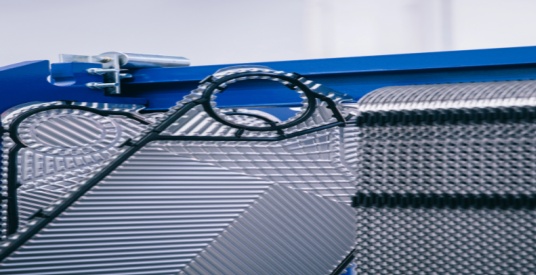
A plate heat exchanger consists of multiple metal plates that are stacked together, forming channels through which hot and cold fluids flow. These fluids exchange heat across the plates, efficiently transferring energy from one fluid to another. The compact design of plate heat exchangers allows for high heat transfer rates in a relatively small footprint, making them ideal for industries such as HVAC systems, chemical processing, food and beverage production, and more.
Signs of a Blocked Plate Heat Exchanger
Identifying when a plate heat exchanger is blocked is essential for preventing further damage and ensuring continued system performance. Below are key signs to look out for, along with suggested solutions for each:
1. Reduced Heat Transfer Efficiency
A significant sign that a plate heat exchanger may be blocked is a noticeable decrease in heat transfer efficiency. This happens when blockages within the plates or channels reduce the surface area available for heat exchange, causing the system to operate less efficiently. The heat exchange process, which relies on a precise balance of temperature between the hot and cold fluids, is disrupted by the restriction in flow. As a result, the temperature difference between the hot and cold fluids may not be as pronounced, leading to a loss of efficiency and heating or cooling capabilities.
Solution: Regularly monitor the temperature readings at both the inlet and outlet of the heat exchanger. If a significant temperature discrepancy is noticed, it may indicate that the heat exchanger is not functioning as expected, and a blockage could be present.
2. Increased Pressure Drop
When fluid flow through the plate heat exchanger becomes obstructed due to blockages, it results in an increased pressure drop across the system. This can cause the pump to work harder in an attempt to push the fluid through the restricted channels, leading to higher energy consumption. Not only does this affect the energy efficiency of the system, but it may also lead to unnecessary wear and tear on the pump, shortening its lifespan.
Solution: Monitor pressure gauges at both ends of the heat exchanger. A significant or unusual pressure drop across the system is often a sign of a blockage or restriction in the flow channels. Early identification of pressure issues can prevent further damage and inefficiencies.
3. Noise or Vibration
Blocked plate heat exchangers may produce unusual noises or vibrations during operation. These sounds are typically caused by the forced flow of fluid encountering obstructions, which results in turbulence or cavitation within the system. The disruption in the fluid flow can lead to high-energy fluid movement, causing audible noise or mechanical vibration. This can also lead to physical damage to the internal components if not addressed promptly.
Solution: Regularly inspect the system for any abnormal sounds or vibrations. Excessive noise or vibrations often indicate internal blockages or malfunctioning components that need to be repaired or replaced. Taking swift action will minimize the risk of further damage.
4. Fluid Leakage
A blockage inside the heat exchanger can cause excessive pressure to build up within the system. This increased pressure can lead to leaks or ruptures in the unit, particularly around seals, joints, or plates. Fluid leakage is a clear indication that the system is experiencing abnormal pressure levels due to a blockage, which can undermine the system's integrity and efficiency.
Solution: Inspect the heat exchanger regularly for any signs of leakage or visible damage, especially around seals or plates. If leaks are detected, it’s crucial to address the blockage immediately to prevent further damage or loss of coolant and ensure the continued performance of the system.
5. Overheating or Insufficient Cooling
When a plate heat exchanger is blocked, it may struggle to maintain the required cooling or heating performance. This can be particularly problematic in applications where precise temperature control is critical, such as in industrial cooling systems or refrigeration. A blockage restricts the flow of the fluids, preventing effective heat transfer, which results in overheating or insufficient cooling. This can lead to damaged equipment, inefficient operation, or even system failure if not addressed in time.
Solution: If the heat exchanger is part of a cooling or heating system, monitor the output temperatures. If the temperature is consistently higher or lower than expected, this may indicate a blockage restricting heat transfer. Regular checks can help prevent costly failures by identifying problems early and allowing for timely maintenance or repairs.

How Blockages Occur in Plate Heat Exchangers
Blockages in plate heat exchangers can be caused by several factors. The most common causes include:
Fouling
Fouling occurs when particulate matter, scale, or biological growth builds up on the heat exchanger plates. This debris can clog the fluid channels, preventing proper flow and heat transfer. Fouling is common in water-based systems, particularly when untreated or low-quality water is used.
Corrosion
Over time, corrosion can cause the plates of the heat exchanger to deteriorate, leading to blockages or leaks. Corrosion typically occurs when the system is exposed to high temperatures or aggressive chemicals, or when the water used in the system is not properly treated.
Clogging from Solid Particles
Solid particles such as dirt, dust, or debris from the fluids can accumulate and block the small channels in the heat exchanger. This is especially problematic in systems with unfiltered fluids or systems that deal with high amounts of particulate matter.
Improper Maintenance
Lack of regular cleaning and maintenance can also contribute to the buildup of blockages. Over time, the accumulation of debris and scale in the heat exchanger channels can restrict fluid flow, resulting in reduced performance.
Cause of Blockage | Description | Impact on Heat Exchanger |
Fouling | Buildup of particulate matter, scale, or biological growth in the fluid channels. | Reduces heat transfer efficiency and fluid flow, causing operational inefficiencies. |
Corrosion | Deterioration of heat exchanger plates due to exposure to high temperatures, aggressive chemicals, or untreated water. | Leads to leaks, weakened components, and potential system failure. |
Clogging from Solid Particles | Accumulation of dirt, dust, or debris from fluids in the small channels of the heat exchanger. | Blocks fluid channels, reducing heat transfer capacity and increasing pressure drop. |
Improper Maintenance | Lack of regular cleaning, inspection, and maintenance of the system. | Leads to debris and scale buildup, restricting fluid flow and reducing efficiency. |
Solutions for Preventing and Addressing Blockages
Regular Cleaning and Maintenance
One of the most effective ways to prevent blockages is by implementing a regular cleaning and maintenance schedule. Periodically cleaning the heat exchanger plates and ensuring that the fluid used in the system is filtered can prevent fouling and clogging from debris.
Use of Filtration Systems
Installing filtration systems before the fluid enters the heat exchanger can help reduce the amount of solid particles and debris that enter the unit. Filtration prevents clogging and ensures that the heat exchanger operates efficiently.
Temperature and Pressure Monitoring
Regularly monitoring the temperature and pressure within the heat exchanger can help identify potential blockages early. By tracking pressure drops and temperature inconsistencies, technicians can address blockages before they cause significant issues.
Proper Material Selection
Selecting the right materials for the heat exchanger plates and ensuring the system operates within the recommended temperature and pressure ranges can prevent corrosion and fouling.
Conclusion
Identifying and addressing blockages in plate heat exchangers is essential for maintaining optimal performance and ensuring the longevity of the system. By carefully monitoring the system for signs of blockage, performing regular maintenance, and using filtration systems, businesses can avoid costly downtime and maintain efficient operations. Jiangsu Yuanzhuo Equipment Manufacturing Co., Ltd. offers high-quality plate heat exchangers and comprehensive maintenance services to ensure your systems run smoothly.
For more information on how to maintain your plate heat exchangers and prevent blockages, contact us today.
FAQ
How do I know if my plate heat exchanger is blocked?
Blockages can be identified by monitoring pressure drops, temperature inconsistencies, unusual noises, and leakage around the heat exchanger. Regular checks and inspections help detect blockages early.
What causes blockages in plate heat exchangers?
Blockages are commonly caused by fouling, corrosion, solid particles in the fluid, and improper maintenance. These factors can restrict fluid flow and reduce heat transfer efficiency.
How can I prevent blockages in my plate heat exchanger?
Regular cleaning, using filtration systems, and monitoring temperature and pressure are effective ways to prevent blockages. Proper maintenance and material selection also play key roles in avoiding issues.
What should I do if my plate heat exchanger is blocked?
If you suspect a blockage, immediately inspect the unit for leaks, fouling, or debris. Clean the heat exchanger thoroughly and address any underlying issues such as water quality or corrosion.