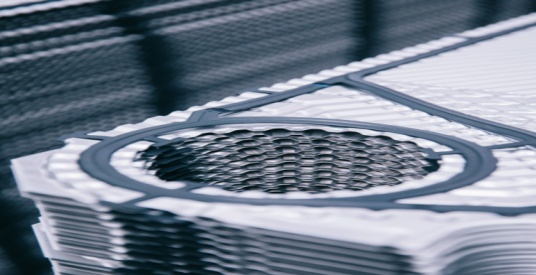
A plate heat exchanger is a crucial component in a wide range of industrial applications, from HVAC systems to food processing, and even power generation. The efficiency of a plate heat exchanger significantly affects overall system performance, energy consumption, and operational costs. Over time, however, even the most robust systems wear down, leading to questions about when and why to replace a plate heat exchanger.
Replacing a plate heat exchanger can be a significant investment, but it often proves to be worth it. Whether it’s due to performance issues, reduced efficiency, or the need for updated technology, replacing a worn-out or outdated plate heat exchanger can result in significant long-term savings. But is it the right choice for your system? In this article, we’ll explore the factors you should consider before making the decision to replace your plate heat exchanger and help you determine if replacement is the best move for your operations.
1. Why Consider Replacing a Plate Heat Exchanger?
A plate heat exchanger is designed to transfer heat between two fluids, and over time, it can experience performance issues that affect efficiency. In some cases, routine maintenance can prolong the lifespan of the unit, but eventually, replacement becomes the most viable option. Below are some common reasons why replacing a plate heat exchanger might be necessary:
a. Decreased Efficiency
As the heat exchanger ages, it may experience clogging due to scale buildup, corrosion, or fouling. These issues can restrict fluid flow, reducing the overall heat transfer efficiency. If your system is struggling to maintain desired temperatures or if you're noticing higher energy costs, this could be a sign that your plate heat exchanger is no longer performing optimally.
Signs of Decreased Efficiency | Impact on Performance |
Clogged or fouled plates | Reduced heat transfer and energy efficiency |
Leaks or damaged seals | Fluid loss and increased energy usage |
Increased pressure drop | Higher operating costs and decreased performance |
b. Increased Maintenance Costs
Over time, regular maintenance costs can start to outweigh the cost of replacing the heat exchanger. Frequent cleaning, repairs to seals or gaskets, and addressing leaks or corrosion can drain your maintenance budget. If your heat exchanger requires extensive repairs on a regular basis, it might be more cost-effective in the long run to invest in a new unit.
c. Technological Advancements
Plate heat exchanger technology has advanced significantly in recent years, with improvements in efficiency, materials, and design. If your existing unit is outdated, you might be missing out on these advances that could lead to better performance, higher energy efficiency, and lower operational costs. A new unit might offer more efficient heat transfer, lower pressure drops, and a longer lifespan.
d. Compliance with Regulations
As industries evolve, so do the standards and regulations regarding energy efficiency and environmental sustainability. If your current heat exchanger no longer meets the necessary regulatory requirements or if replacing it will help improve your system’s compliance, it might be time to consider an upgrade.
2. How to Know When to Replace a Plate Heat Exchanger
Replacing a plate heat exchanger isn’t always an immediate necessity, but several factors can help determine when it’s time to make that investment. Here’s a closer look at some signs that indicate your system may need a new heat exchanger:
a. Frequent Breakdown or Repairs
If your plate heat exchanger is constantly breaking down or requiring repairs, it may be a sign that the unit is reaching the end of its useful life. Repeated issues with seals, gaskets, and other components may be signs of internal damage or wear that can’t be easily repaired.
b. Reduced Performance and Capacity
If your system is no longer meeting its heat transfer requirements or your operational needs are growing, it may be time to upgrade to a more efficient plate heat exchanger. This is particularly true if you are facing temperature fluctuations, inconsistent heat exchange, or a decrease in capacity.
c. Higher Energy Costs
An inefficient plate heat exchanger consumes more energy to do the same amount of work. If you’re noticing a rise in energy costs without a corresponding increase in output, it’s worth evaluating whether a new plate heat exchanger could reduce those costs and provide better efficiency.
d. Physical Damage or Wear
Plate heat exchangers can be subject to physical damage from corrosion, scaling, and wear over time. If your unit shows signs of pitting, corrosion, or warping, it’s a good indicator that the integrity of the unit has been compromised, and replacement is the best option.
3. Benefits of Replacing a Plate Heat Exchanger
Replacing an old plate heat exchanger can have several advantages, including improvements in efficiency, cost savings, and overall system reliability. Below are the key benefits of upgrading your plate heat exchanger:
a. Improved Energy Efficiency
Newer plate heat exchangers are designed with advanced materials and optimized plate designs to improve heat transfer efficiency. A more efficient heat exchanger will require less energy to achieve the same results, leading to lower operational costs.
b. Enhanced Performance
New heat exchangers can handle higher flow rates, greater temperature differentials, and more aggressive operating conditions. Upgrading can result in better heat transfer and a more consistent temperature regulation, which directly impacts the performance of the entire system.
c. Reduced Operating Costs
A more efficient heat exchanger reduces energy consumption and minimizes the need for frequent repairs and maintenance. This can translate into significant savings over time, making the upfront investment in a new unit worthwhile.
d. Longer Lifespan
Modern plate heat exchangers are built to last longer and endure harsher operating environments. By replacing an outdated unit, you can ensure that your system operates smoothly for years to come, reducing downtime and costly repairs.

4. Considerations Before Replacing a Plate Heat Exchanger
While replacing a plate heat exchanger can be an excellent decision, it’s important to evaluate a few considerations before proceeding:
a. Cost of Replacement vs. Repair
It’s essential to conduct a cost-benefit analysis before replacing your heat exchanger. Compare the cost of repairing your existing unit and continuing with maintenance versus the cost of purchasing and installing a new unit. If repairs are expensive and frequent, replacement may be the more economical option.
b. System Compatibility
When upgrading, ensure that the new plate heat exchanger is compatible with your existing system. Consider factors such as size, pressure ratings, material compatibility, and flow rates to ensure that the new unit will fit seamlessly into your setup.
c. Installation and Downtime
Replacing a plate heat exchanger may require system downtime for installation. Consider how this will affect your operations and plan accordingly to minimize disruptions to your workflow.
d. Regulatory Compliance
If replacing your heat exchanger is driven by regulatory compliance, ensure that the new unit meets all necessary certifications and standards required by your industry. This will help avoid future issues and potential fines.
5. Benefits of Investing in High-Quality Plate Heat Exchangers
Choosing the right plate heat exchanger for your system is crucial to ensure that you reap the benefits of improved performance and efficiency. Below are some reasons why investing in high-quality heat exchangers makes a difference:
Benefits of High-Quality Plate Heat Exchangers | Impact |
Better Heat Transfer Efficiency | Reduced energy consumption and more consistent performance. |
Durability and Reliability | Fewer breakdowns, longer service life, and reduced maintenance needs. |
Optimized Plate Design | Better heat transfer at lower pressure drops, leading to more efficient operations. |
Advanced Materials | Resistance to corrosion, scaling, and wear, ensuring a longer lifespan. |
6. Conclusion
When evaluating whether to replace your plate heat exchanger, it’s essential to consider factors such as performance decline, increased maintenance costs, and the benefits of improved efficiency. A new, high-quality heat exchanger can significantly enhance your system's overall performance, reduce operating costs, and extend the lifespan of your equipment.
At Jiangsu Yuanzhuo Equipment Manufacturing Co., Ltd., we specialize in providing high-performance, durable plate heat exchangers that can optimize your system’s efficiency and reliability. Our products are designed to meet the demands of modern industrial applications, ensuring that you get the best performance and energy savings. If you're considering replacing your plate heat exchanger or want to explore the best options for your system, our team is here to provide expert guidance and tailored solutions to meet your needs.
FAQ
When is it time to replace a plate heat exchanger?
When repairs are frequent, energy costs increase, or the system experiences performance issues like leaks or inadequate heat transfer, it may be time to replace the unit.
What are the signs of an inefficient plate heat exchanger?
Reduced heat transfer efficiency, higher pressure drops, increased maintenance needs, and rising energy costs are all signs of inefficiency.
How do I know if a new heat exchanger will fit my system?
Ensure that the replacement unit matches your system's size, pressure ratings, flow rates, and material compatibility to ensure proper fit and optimal performance.
What factors should I consider when choosing a replacement plate heat exchanger?
Consider factors like heat transfer efficiency, durability, material compatibility, and cost-effectiveness when selecting a replacement unit for your system.