Contents
Introduction
What Are Copper Brazed Heat Exchangers?
How Copper Brazed Heat Exchangers Improve Efficiency in Chiller Systems
Key Advantages of Copper Brazed Heat Exchangers in Industrial Applications
Design Features and Technology Behind Copper Brazed Heat Exchangers
Applications of Copper Brazed Heat Exchangers in Chiller Systems
Challenges in Implementing Copper Brazed Heat Exchangers
Maintaining Optimal Performance of Copper Brazed Heat Exchangers
Conclusion
FAQ
Introduction
The performance of chiller systems directly impacts the energy efficiency and operational costs of numerous industries, including manufacturing, HVAC, and food processing. In recent years, the adoption of copper brazed heat exchangers has been a game-changer, offering significant benefits in terms of both thermal performance and durability. Maximizing efficiency in chiller systems is no longer just about improving cooling power but about integrating advanced materials and design features that reduce energy consumption while enhancing overall system reliability. In this article, we will explore how copper brazed heat exchangers contribute to the optimization of chiller systems, focusing on their core benefits and practical applications in real-world industrial scenarios.
What Are Copper Brazed Heat Exchangers?
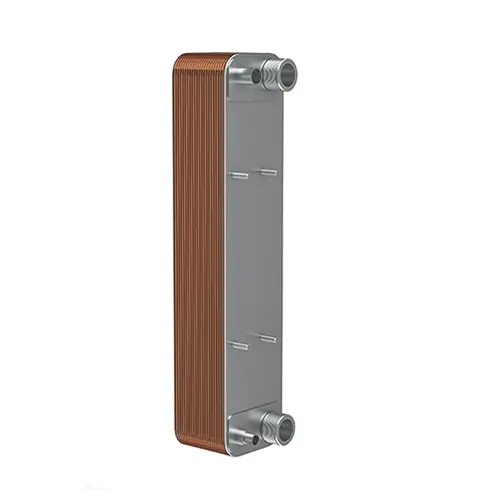
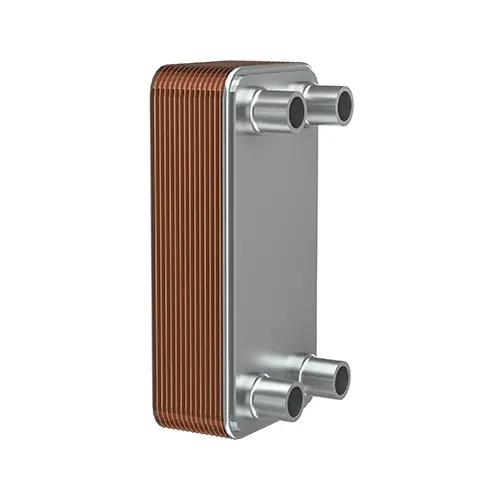
Copper brazed heat exchangers are specialized thermal devices designed to transfer heat between two or more fluids efficiently. They are composed of copper plates, which are brazed together using a high-temperature process, creating a robust and durable structure. The unique design of these exchangers allows for superior heat transfer, compact size, and lightweight construction, all of which are essential for enhancing the efficiency of chiller systems.
The brazing process ensures that there are no gaps between the copper plates, leading to a high thermal conductivity and an increase in heat transfer efficiency. Unlike traditional heat exchangers, which rely on mechanical welding or soldering, copper brazed heat exchangers offer a more reliable, durable, and long-lasting solution, which is crucial for demanding industrial applications.

How Copper Brazed Heat Exchangers Improve Efficiency in Chiller Systems
A copper brazed heat exchanger is one of the most effective ways to enhance the energy efficiency of chiller systems. These heat exchangers facilitate a more effective thermal exchange between fluids, which in turn improves the cooling process and reduces overall energy consumption. The high efficiency of copper as a material, combined with the precision of brazing, ensures that these exchangers maintain optimal performance even under extreme temperatures and pressures.
Enhanced Heat Transfer Performance
One of the main reasons why copper brazed heat exchangers stand out in chiller systems is their excellent thermal conductivity. Copper has one of the highest thermal conductivities among all metals, allowing it to transfer heat faster and more efficiently than other materials. This allows the chiller system to cool fluids more rapidly, reducing the overall operating time and, as a result, energy usage.
Compact and Lightweight Design
Due to the brazing technique, these exchangers can be built with a compact design, reducing the amount of space they occupy within a system. This not only helps with installation but also contributes to the overall efficiency of the system, especially in applications where space is limited. The lightweight nature of copper brazed heat exchangers makes them easier to handle and maintain, which reduces labor costs and installation times.
Reduced Energy Consumption
The improved heat transfer efficiency and compact design help reduce the need for larger, more energy-intensive cooling equipment. By efficiently managing the heat transfer, copper brazed heat exchangers contribute to a significant decrease in the overall power consumption of the chiller system, leading to cost savings for the end user. The more efficient the heat exchanger, the less energy is required to achieve the same level of cooling, making these exchangers a critical component in sustainable energy practices.
Key Advantages of Copper Brazed Heat Exchangers in Industrial Applications
Copper brazed heat exchangers are well-suited for a wide range of industrial uses due to their inherent advantages in performance, durability, and energy efficiency.
Durable and Long-Lasting
The brazing process, which permanently bonds the copper plates, ensures that these heat exchangers can withstand the high pressures and temperatures commonly found in chiller systems. The corrosion resistance of copper also ensures a longer lifespan for these heat exchangers, even when exposed to harsh operating environments. This durability reduces the need for frequent maintenance or replacements, leading to lower operational costs over time.
Lightweight and Space-Saving
In industrial applications where space is limited, having a lightweight and compact heat exchanger is crucial. Copper brazed heat exchangers are significantly smaller and lighter than traditional welded heat exchangers, which allows them to fit into smaller spaces and reduces the overall weight of the cooling system. This can also lead to reduced transportation and installation costs.
Versatile Industrial Use
Due to their high efficiency and durability, copper brazed heat exchangers are used in a variety of industrial settings, from refrigeration to HVAC systems, and even in processes that require high heat recovery rates. Their ability to maintain high efficiency under varying pressure and temperature conditions makes them an ideal choice for industries such as pharmaceuticals, food processing, and chemical manufacturing.

Design Features and Technology Behind Copper Brazed Heat Exchangers
The design and technology of copper brazed heat exchangers are central to their effectiveness in chiller systems. These heat exchangers incorporate a range of advanced features that ensure maximum efficiency and reliability.
Precision Brazing Process
The brazing process is a critical component of the heat exchanger’s design. The precision with which the copper plates are brazed together results in a smooth and highly conductive surface. This process eliminates gaps and weak points, which are common in welded or soldered heat exchangers, and ensures a more reliable heat transfer.
Efficient Fluid Distribution
In a copper brazed heat exchanger, the plates are typically designed to promote uniform fluid distribution. This ensures that the fluid flow remains consistent, allowing for maximum heat exchange. The channels between the plates are optimized to minimize turbulence and resistance, reducing energy loss and enhancing the overall high efficiency of the system.
Applications of Copper Brazed Heat Exchangers in Chiller Systems
The application of copper brazed heat exchangers in chiller systems has seen significant growth in recent years. Their ability to maintain efficiency, durability, and compactness makes them particularly suitable for various cooling needs, such as in HVAC systems, refrigeration units, and industrial chillers.
HVAC and Refrigeration Systems
In HVAC systems, copper brazed heat exchangers are used to regulate air conditioning and heating systems. Their high heat transfer capabilities ensure that these systems run at peak efficiency, reducing energy costs and maintaining comfortable conditions. Refrigeration systems also benefit from the superior cooling capacity of these heat exchangers, which is essential for food storage and industrial processes.
Industrial Process Cooling
In industries such as pharmaceuticals and chemical manufacturing, copper brazed heat exchangers are critical for maintaining the temperature of reactors, condensers, and cooling systems. The ability to handle high pressures and temperatures while maintaining a compact design makes these exchangers ideal for industrial environments.
Challenges in Implementing Copper Brazed Heat Exchangers
While copper brazed heat exchangers offer numerous advantages, there are a few challenges that need to be addressed when integrating them into chiller systems.
Initial Cost:The initial cost of copper brazed heat exchangers can be higher than traditional heat exchangers, primarily due to the precision brazing process and the quality of materials used. However, this upfront investment is often offset by the reduced operating costs over the system's lifespan, making it a worthwhile investment in the long term.
Maintenance Considerations:While copper brazed heat exchangers are durable, proper maintenance is essential to ensure their long-term efficiency. Regular inspection of the brazed joints and copper plates is necessary to prevent any potential corrosion or degradation over time.
Maintaining Optimal Performance of Copper Brazed Heat Exchangers
To maximize the performance and lifespan of copper brazed heat exchangers, regular maintenance and monitoring are essential. This includes checking for signs of wear, ensuring that the exchanger is free of debris, and keeping the system clean. Proper installation and system design can also contribute significantly to the exchanger’s efficiency.
Conclusion
Incorporating copper brazed heat exchangers into chiller systems is an effective strategy for maximizing energy efficiency, reducing operational costs, and ensuring long-lasting performance. Their high efficiency, durability, and compact design make them an ideal solution for various industrial applications, from HVAC systems to process cooling in industries such as food processing and chemical manufacturing. Despite the higher initial cost, the long-term benefits in terms of energy savings and reliability make these heat exchangers an excellent investment for modern cooling systems.
FAQ
Q1: What makes copper brazed heat exchangers more efficient than traditional heat exchangers?
A1: The high thermal conductivity of copper, combined with the precision brazing process, ensures superior heat transfer and reduced energy loss, making copper brazed heat exchangers more efficient than traditional heat exchangers.
Q2: Are copper brazed heat exchangers suitable for high-pressure systems?
A2: Yes, copper brazed heat exchangers are designed to handle high-pressure systems, making them ideal for demanding industrial applications such as refrigeration and chemical processing.
Q3: How do copper brazed heat exchangers contribute to sustainability in industrial operations?
A3: By improving the efficiency of cooling systems, copper brazed heat exchangers reduce energy consumption, leading to lower carbon emissions and more sustainable industrial operations.