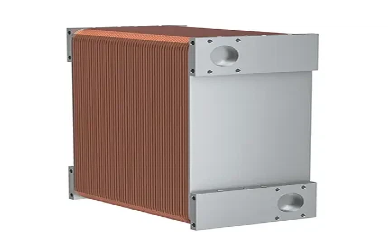
Brazed heat exchangers are a crucial component in modern HVAC systems, designed to efficiently transfer heat between fluids. These exchangers consist of metal plates that are brazed together, creating a strong and durable structure capable of withstanding high pressures and temperatures. The brazing process involves the use of a filler metal that melts at a lower temperature than the base metal, allowing the plates to be sealed together tightly without compromising the integrity of the materials. This results in a compact and highly efficient heat exchange device.
When compared to other types of heat exchangers, such as gasketed or semi-welded exchangers, brazed heat exchangers offer several key advantages. Gasketed heat exchangers are made up of plates sealed with gaskets, which may require maintenance over time due to wear and tear. Semi-welded heat exchangers, on the other hand, combine the benefits of brazing and gasket technology, but they are typically bulkier and less efficient than fully brazed units. In contrast, brazed heat exchangers are more compact, offer higher thermal efficiency, and are more resistant to corrosion and leakage, making them an ideal choice for applications where space, durability, and energy efficiency are critical.
1.Advantages of Brazed Heat Exchangers
Efficient Heat Transfer
Brazed heat exchangers are known for their exceptional heat transfer efficiency. The plates within these exchangers are designed with a series of intricate channels that create turbulence in the fluid flow. This turbulence enhances the contact between the fluid and the metal surfaces, ensuring maximum heat exchange. As a result, brazed heat exchangers can transfer heat more effectively than many other types, which helps reduce energy consumption and improve the overall performance of HVAC systems. The compact plate design also minimizes the thermal resistance, leading to faster and more efficient heat transfer.
Compact Design
One of the primary advantages of brazed heat exchangers is their compact design. Unlike traditional shell-and-tube heat exchangers, which can take up a significant amount of space, brazed units are much more compact, making them ideal for HVAC systems where space is limited. Their small footprint allows them to fit into tight areas without sacrificing performance, which is particularly beneficial in residential, commercial, and industrial applications where space optimization is crucial. The compact nature also makes installation simpler and more cost-effective, reducing both material and labor expenses.
Corrosion Resistance & Durability
Brazed heat exchangers are built to withstand harsh operating conditions. The brazing process creates strong, seamless joints that are resistant to corrosion, even in high-pressure environments. The materials used, such as stainless steel or copper, offer excellent resistance to corrosion, which is essential for HVAC systems operating in humid or chemically aggressive environments. Additionally, brazed heat exchangers can endure high temperatures and pressures, ensuring long-term reliability and performance. Their durability means that they require less maintenance and have a longer lifespan compared to other heat exchangers that might degrade or require sealing replacements over time. This makes brazed heat exchangers a cost-effective solution in the long run.
2.Applications of Brazed Heat Exchangers in HVAC Systems
Cooling Systems
Brazed heat exchangers are extensively used in air conditioning systems, where efficient heat transfer is crucial for maintaining optimal cooling performance. In these systems, brazed heat exchangers facilitate the removal of heat from the air inside the building, transferring it to the outdoor environment. The compact and efficient nature of brazed exchangers makes them particularly valuable in air conditioners, as they allow for smaller and more energy-efficient units without compromising on cooling capacity. Whether used in small residential units or large industrial air conditioning systems, brazed heat exchangers help reduce energy consumption while providing reliable cooling.
Heat Pump Systems
In heat pump systems, brazed heat exchangers play a vital role in increasing efficiency and reducing energy consumption. Heat pumps work by transferring heat from one place to another, either from the outside air to the indoors during winter or the reverse during summer. Brazed heat exchangers enhance the heat transfer process in these systems, ensuring that the heat is absorbed and released efficiently. By minimizing energy loss, brazed heat exchangers enable heat pumps to operate at higher efficiencies, which results in lower operating costs and better environmental performance. Their compact design also allows for easy integration into heat pump units, making them ideal for both residential and commercial applications.
Residential and Commercial Buildings
Brazed heat exchangers are highly versatile and widely used in both residential and commercial HVAC systems. In residential buildings, they are commonly found in air conditioning units, heat pumps, and domestic hot water systems, offering energy-efficient solutions for maintaining comfortable living conditions. In commercial buildings, brazed heat exchangers are used in larger-scale HVAC systems, cooling towers, and industrial processes. Their ability to perform well in various configurations makes them suitable for a wide range of applications, from small homes to large office buildings and factories. The robust performance, combined with their compact size and durability, makes brazed heat exchangers an essential component in modern HVAC solutions for buildings of all sizes.

3.The Future of Brazed Heat Exchangers in HVAC
Technological Innovations & Trends
Brazed heat exchangers will benefit from innovations in materials and manufacturing techniques. Advanced alloys and surface treatments will improve heat transfer, durability, and corrosion resistance. Emerging technologies like 3D printing and smarter brazing processes will lead to more efficient and compact designs. Digital monitoring will allow for better integration and real-time optimization of HVAC systems, enhancing overall energy efficiency.
Sustainability & Environmental Impact
Brazed heat exchangers are key to reducing energy consumption in HVAC systems, contributing to sustainability. As environmental regulations tighten, their efficiency will help meet stricter standards. Future designs may incorporate eco-friendly materials, such as recyclable metals, and use non-toxic refrigerants, further reducing their environmental impact. With growing emphasis on green solutions, brazed heat exchangers will remain essential for meeting energy and environmental goals in HVAC systems.
Role in Energy Efficiency and Green Building Standards
As sustainability becomes a core focus for the HVAC industry, brazed heat exchangers are increasingly recognized for their role in enhancing energy efficiency. They align with green building standards, such as LEED, by reducing the overall carbon footprint of HVAC systems. Their contribution to energy conservation not only lowers operational costs but also supports the transition towards more sustainable construction practices. As building codes become more stringent, brazed heat exchangers will play an essential part in helping both new and retrofit HVAC systems meet these advanced requirements.
![]() Frequently Asked Questions (FAQ):
Frequently Asked Questions (FAQ):
What is a brazed heat exchanger?
A brazed heat exchanger is a heat transfer device where metal plates are bonded together using brazing technology, typically employing copper as the filler metal. This process creates a durable, compact unit that efficiently transfers heat between fluids. Brazed heat exchangers are commonly used in HVAC systems, such as air conditioners, heat pumps, and refrigeration units, due to their high efficiency and reliability in heat exchange.
How do brazed heat exchangers differ from other types?
Brazed heat exchangers are more compact, corrosion-resistant, and capable of withstanding higher temperatures and pressures compared to other types like gasketed heat exchangers. The brazing process seals the plates without the need for gaskets, which reduces the potential for leaks. This makes brazed heat exchangers more suitable for high-efficiency applications, where space and durability are crucial, and performance must remain consistent over time.
How do brazed heat exchangers improve HVAC system efficiency?
Brazed heat exchangers enhance HVAC system efficiency by offering superior heat transfer performance. Their compact plate design promotes optimal fluid flow, increasing heat exchange efficiency and reducing energy consumption. As a result, HVAC systems with brazed heat exchangers operate more efficiently, leading to lower energy costs. This is particularly important in systems like air conditioners and heat pumps, where energy efficiency is a key factor in reducing operational costs.
What types of buildings can benefit from brazed heat exchangers?
Brazed heat exchangers are ideal for use in a wide range of buildings, including residential, commercial, and industrial spaces. In residential buildings, they are found in air conditioning systems, heat pumps, and domestic hot water systems, providing energy-efficient solutions for comfortable living. In commercial and industrial settings, brazed heat exchangers are used in large HVAC systems, refrigeration units, and process cooling applications, especially where space-saving and high-performance heat exchange are essential.
What maintenance do brazed heat exchangers require?
Brazed heat exchangers are highly durable and require minimal maintenance. Their sealed design eliminates the need for gasket replacements, and their corrosion-resistant materials help reduce wear over time. Regular inspection to ensure there are no blockages or external damage is recommended, but typically, these exchangers are low-maintenance components that provide reliable performance for many years without frequent servicing.
Conclusion
Brazed heat exchangers have become an indispensable component of modern HVAC systems due to their exceptional efficiency, compact design, and durability. Their superior heat transfer capabilities significantly enhance the performance of air conditioning, heat pump, and refrigeration systems, making them more energy-efficient and cost-effective. The robust, corrosion-resistant construction of brazed heat exchangers allows them to operate reliably in high-temperature and high-pressure environments, ensuring long-lasting performance with minimal maintenance. Additionally, their compact size makes them ideal for space-constrained applications, enabling more flexible system designs. As the demand for energy-efficient and environmentally friendly solutions increases, brazed heat exchangers continue to play a crucial role in meeting the evolving needs of the HVAC industry, contributing to both performance and sustainability goals.


 Frequently Asked Questions (FAQ):