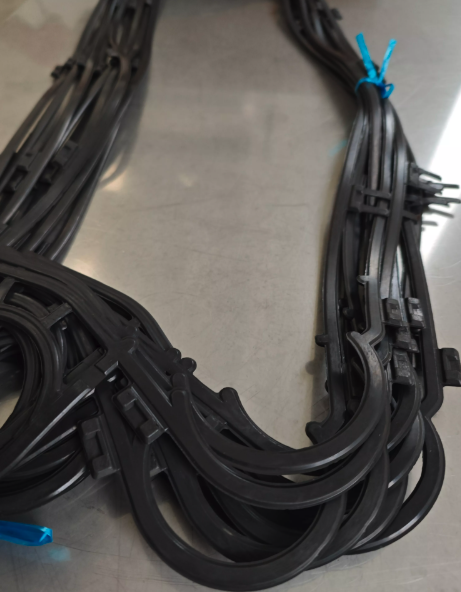
Plate heat exchangers are widely used in industries ranging from chemical processing to HVAC and power generation. Central to their performance are the components that keep them running safely and efficiently. Among these, plate heat exchanger spare parts—especially gaskets—play a critical role. They prevent fluid leaks, separate hot and cold streams, and maintain optimal heat transfer, directly impacting system efficiency and longevity. In this guide, we will explore everything you need to know aboutplate heat exchanger gaskets, including types, materials, selection criteria, installation, maintenance, and their role as essential spare parts for reliable heat exchanger operation.
Understanding Plate Heat Exchanger Gaskets
What Are Plate Heat Exchanger Gaskets?
Plate heat exchanger gaskets are essential seals placed between the corrugated plates of a heat exchanger. They guide the fluids along the intended channels, prevent cross-contamination, and ensure proper pressure distribution. As a key component among plate heat exchanger spare parts, gaskets directly influence the performance and reliability of the system.
Gaskets are made from elastomers or polymers chosen for resistance to temperature, pressure, chemicals, and mechanical wear, making them critical for maintaining long-term operational stability.
Why Gaskets Are Important
Gaskets play a vital role in plate heat exchangers and are one of the most important plate heat exchanger spare parts. They prevent hot and cold fluids from mixing, ensuring process safety and integrity. By maintaining proper sealing, gaskets help preserve heat transfer efficiency, allowing the system to perform optimally.
Properly selected and maintained gaskets reduce downtime caused by leaks, minimizing maintenance costs. They also protect the heat exchanger plates from corrosion or erosion, extending the lifespan of the equipment and enhancing the reliability of the heat transfer system.
How Gaskets Work in Different PHE Designs
Gasketed Plate Heat Exchangers (GPHEs): Removable gaskets allow easy cleaning and maintenance.
Brazed PHEs (BPHEs): Plates are permanently joined; no gaskets needed. Compact and durable.
Welded PHEs: Fully welded plates for harsh industrial fluids. High pressure and temperature resistance.
Semi-Welded PHEs: Hybrid design; some plates welded, others gasketed. Allows cleaning without losing strength.
Factors to Consider When Choosing Gaskets
Fluid Compatibility
Selecting the right gasket begins with understanding the fluids in your system. Corrosive chemicals demand highly resistant materials like fluoroelastomers or PTFE, which can withstand aggressive agents without degrading. For applications involving steam or hot water, high-temperature variants such as EPDMHT or NBRHT are ideal, as they resist thermal breakdown. Systems handling high-viscosity fluids benefit from flexible, thicker gaskets that maintain a proper seal even under slower flow or uneven pressure. Ensuring chemical and thermal compatibility prevents premature gasket failure and protects the plates from damage.
Operating Pressure and Temperature
The operating conditions of your heat exchanger heavily influence gasket selection. For moderate pressures and temperatures, standard NBR or EPDM gaskets provide reliable performance. However, high-pressure or high-temperature environments require more robust options such as Viton, PTFE, or HNBR. Choosing a gasket capable of handling the system’s maximum pressure and temperature ensures safety and consistent heat transfer performance over time.
Mechanical and Environmental Conditions
Mechanical stress and environmental exposure can also impact gasket longevity. Systems subject to vibrations or frequent pressure fluctuations place additional strain on gaskets, potentially causing deformation or leaks. Similarly, exposure to UV light, ozone, or other environmental factors can degrade certain elastomers over time. Selecting gaskets designed for these conditions can prevent unexpected maintenance and reduce operational downtime.
Heat Transfer Performance
Even the best gasket can affect overall heat exchanger efficiency if it is worn, misaligned, or poorly installed. Damaged gaskets can create leaks or pressure drops, reducing the effective heat transfer between fluids. Properly selected and well-maintained gaskets ensure that the thermal performance remains optimal, allowing your heat exchanger to achieve the desired temperature changes while maintaining system efficiency.
| Factor | Considerations |
| Fluid Compatibility | Corrosive chemicals → Fluoroelastomers/PTFE
Steam/hot water → EPDMHT/NBRHT
High-viscosity fluids → Flexible, thicker gaskets |
| Operating Pressure & Temp | Moderate → NBR/EPDM
High → Viton/PTFE/HNBR |
| Mechanical & Environmental | Vibrations or pressure fluctuations affect gasket life
UV/ozone exposure can degrade some elastomers |
| Heat Transfer Performance | Misaligned or worn gaskets increase pressure drop
Proper gaskets maintain thermal efficiency |
Common Gasket Challenges
Causes of Gasket Failure
Incompatible material for fluid
Improper installation
Exposure to chemicals or mechanical wear
Warning Signs
Leaks or fluid mixing
Reduced heat transfer efficiency
Increased pump energy usage
Prevention Tips
Select material based on fluid and temperature
Install properly and tighten evenly
Replace before severe wear occurs

Installation and Maintenance Best Practices
Installing Gaskets
Before installing gaskets, it’s crucial to clean the plates and grooves thoroughly to remove any dirt, residues, or previous gasket material. Carefully place the gaskets into their respective grooves, making sure they sit properly without twists or folds. When tightening the bolts, follow a crisscross pattern to ensure even pressure distribution, preventing leaks and maintaining the integrity of the heat exchanger.
Cleaning and Replacement
Gaskets should be inspected regularly for signs of wear, such as cracks, deformation, or hardening. Cleaning can be done chemically or mechanically depending on the type of fouling encountered, but care must be taken not to damage the gaskets during the process. Always avoid bending, stretching, or twisting the gaskets when removing or handling them to preserve their sealing performance.
Storage Tips
Gaskets should be stored flat and kept away from direct sunlight to prevent UV degradation. They must also be stored away from chemicals that could cause swelling, softening, or other damage. Handle them carefully during storage and transportation to avoid cracks, folds, or deformations that could compromise their performance when installed.
FAQ
Q: What is the main purpose of a plate heat exchanger gasket?
A: It prevents hot and cold fluids from mixing, ensures proper pressure distribution, and maintains heat transfer efficiency.
Q: How do I choose the right gasket material for my application?
A: Select based on fluid compatibility, operating temperature, pressure, and mechanical or environmental conditions.
Q: Can all plate heat exchangers use the same type of gasket?
A: No, gasket types vary depending on whether the exchanger is gasketed, brazed, welded, or semi-welded.
Q: How often should gaskets be inspected or replaced?
A: Inspect gaskets regularly for cracks, deformation, or hardening, and replace them before severe wear occurs.
Q: Can gasket failure affect heat exchanger efficiency?
A: Yes, worn or misaligned gaskets can cause leaks or increased pressure drop, reducing thermal efficiency.
Conclusion
Plate heat exchanger gaskets are essential components for maintaining efficiency, safety, and longevity in heat transfer systems. Choosing the right material, understanding operating conditions, and following proper installation and maintenance practices ensure reliable performance and minimize downtime. Regular inspection and timely replacement of gaskets and other plate heat exchanger spare parts help prevent leaks and protect the plates from corrosion or wear.
For companies seeking high-quality plate heat exchanger spare parts, Jiangsu Yuanzhuo Equipment Manufacturing Co., Ltd. offers a complete range of gaskets, plates, and accessories tailored to industrial needs. Their expertise in manufacturing durable, compatible components ensures your heat exchangers operate efficiently and safely over the long term. Investing in quality spare parts from a trusted supplier helps optimize energy efficiency, reduce maintenance costs, and enhance overall system reliability.