In many industrial applications, managing heat is a critical aspect of maintaining operational efficiency. One highly effective solution for heat transfer is the plate heat exchanger (PHE). This device plays an essential role in various industries, including HVAC, chemical, pharmaceutical, food and beverage, and power generation. By utilizing a series of plates to transfer heat between two fluids, a plate heat exchanger allows for efficient thermal energy exchange while maintaining compactness and flexibility.
Plate heat exchangers are ideal for situations where space is limited, and high-efficiency heat transfer is required. They are known for their easy maintenance, scalability, and energy-saving benefits. In this article, we will explore how plate heat exchangers work, their benefits, and why they are becoming a go-to solution for industries aiming to reduce operational costs and improve energy efficiency.
How Does a Plate Heat Exchanger Work?
Plate heat exchangers consist of several thin plates that are stacked together. The plates are arranged in such a way that they create multiple flow channels through which hot and cold fluids can pass. The fluid streams flow alternately through the channels, and heat is transferred through the metal plates from the hot fluid to the cold fluid. This direct heat exchange process ensures minimal heat loss and maximum efficiency.
The design of plate heat exchangers allows for a high surface area in a compact form, making them highly effective for applications requiring efficient heat transfer without occupying too much space. These exchangers can be customized to handle different types of fluids, pressures, and temperatures, making them versatile for a wide range of applications.
Key Components of a Plate Heat Exchanger:
Plates: Made from materials with excellent thermal conductivity, such as stainless steel or titanium.
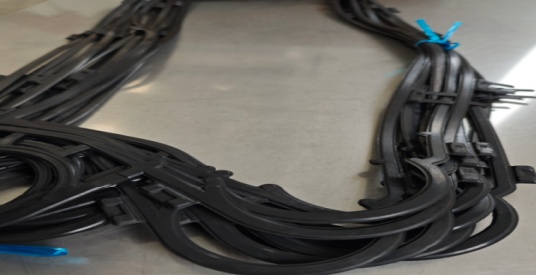
Gaskets: Used to seal the plates and prevent leakage, ensuring that the fluids do not mix.
Frame: Holds the plates together and allows for easy access and maintenance.
Inlets and Outlets: Channels for the fluids to enter and exit the heat exchanger.
Key Benefits of Plate Heat Exchangers
High Heat Transfer Efficiency Plate heat exchangers offer excellent heat transfer efficiency, which is one of the primary reasons they are so widely used. The key to their high efficiency lies in their design. These exchangers are composed of multiple thin plates that create a large surface area for heat transfer between fluids. The fluids flow through alternate channels formed by the plates, with heat being transferred through the plate material from one fluid to the other. This design significantly increases the thermal efficiency of the system, allowing plate heat exchangers to transfer heat effectively in situations where other heat exchangers may not perform as well. The increased surface area results in a more rapid exchange of thermal energy, making them ideal for applications where heat needs to be transferred quickly and efficiently.
Compact Design Another major advantage of plate heat exchangers is their compactness. Compared to other types of heat exchangers, such as shell-and-tube exchangers, plate heat exchangers are far more compact while still providing excellent heat transfer capabilities. This compactness is due to the high surface area of the plates, which are stacked closely together. This design allows for a smaller overall size, making plate heat exchangers an excellent choice for industries where space is limited, such as in manufacturing plants or small mechanical systems. Furthermore, the modular design of plate heat exchangers means that the number of plates can be adjusted to meet the needs of the application, making them even more versatile and space-efficient.
Energy Savings Energy efficiency is a critical concern for many industries, and plate heat exchangers are designed to help reduce energy consumption. By providing highly efficient heat transfer, plate heat exchangers minimize the amount of energy needed to maintain desired temperatures, which can result in significant energy savings. This is especially important in industries where energy costs make up a substantial portion of operational expenses. For example, in HVAC systems, using plate heat exchangers can reduce the amount of energy required to heat or cool a space, leading to lower electricity bills. Additionally, because plate heat exchangers reduce heat loss during processes, they help conserve energy throughout the entire system, contributing to both environmental sustainability and cost reduction.
Flexibility and Scalability Plate heat exchangers offer both flexibility and scalability, making them highly adaptable to a wide range of applications. Whether the system needs to handle different flow rates, pressures, or temperatures, plate heat exchangers can be customized to meet those requirements. Their modular design allows for the addition or removal of plates, which means that the unit can be scaled up or down as needed.
Easy Maintenance Maintaining a heat exchanger can be time-consuming and costly, but plate heat exchangers are designed for ease of maintenance. The modular structure allows for individual plates to be removed and cleaned separately, making it easier to keep the system in optimal working condition. Cleaning and maintenance can be done without the need to disassemble the entire unit, reducing downtime and maintenance costs.Reduced Fouling One of the common problems with heat exchangers is fouling, where the accumulation of dirt, scale, or other contaminants reduces the effectiveness of the heat exchange process. Plate heat exchangers are designed to reduce the build-up of fouling, ensuring that the system operates efficiently over time. The design of the plates allows for more thorough cleaning compared to other heat exchangers, reducing the risk of clogging and the need for frequent cleaning.
Applications of Plate Heat Exchangers
Plate heat exchangers are used in a wide variety of industries due to their efficiency and versatility. Here are some of the most common applications:
HVAC Systems In heating, ventilation, and air conditioning (HVAC) systems, plate heat exchangers are used for both heating and cooling processes. They ensure that thermal energy is efficiently transferred between air or water systems, making them ideal for climate control in large buildings.
Food and Beverage Industry Plate heat exchangers are essential in the food and beverage industry, particularly for pasteurization, sterilization, and cooling processes. They are widely used for applications such as dairy processing, juice production, and beverage cooling.
Pharmaceutical Manufacturing In pharmaceutical production, maintaining precise temperature control is crucial. Plate heat exchangers are used for cooling and heating fluids during the production of pharmaceutical products, ensuring that temperature-sensitive ingredients are processed correctly.
Chemical Processing Chemical industries use plate heat exchangers for their efficient heat transfer properties, especially in processes such as distillation, reaction, and solvent recovery. They are ideal for handling corrosive and hazardous chemicals due to their durable materials.
Power Generation Plate heat exchangers are employed in power plants to recover waste heat, improving overall efficiency. They are used in steam condensers, heat recovery systems, and other critical areas to optimize energy use and reduce operational costs.
Table: Key Benefits of Plate Heat Exchangers
Benefit
Explanation
High Heat Transfer Efficiency
Maximizes heat transfer using a large surface area design.
Compact Design
Space-saving design ideal for limited spaces.
Energy Savings
Reduces energy consumption by minimizing heat loss.
Flexibility and Scalability
Modular design allows customization and scaling based on requirements.
Easy Maintenance
Easy to clean and replace gaskets for reduced downtime.
Reduced Fouling
Minimizes build-up of contaminants, ensuring long-term efficiency.
Conclusion
Plate heat exchangers play a vital role in many industries, ensuring efficient thermal management while reducing energy consumption and operational costs. Their compact, flexible, and scalable design makes them a versatile solution for applications in HVAC, food processing, pharmaceuticals, and more. As industries continue to focus on sustainability and energy efficiency, plate heat exchangers will remain a go-to technology for companies looking to optimize their heat transfer processes.
At Jiangsu Yuanzhuo Equipment Manufacturing Co., Ltd., we specialize in designing and manufacturing high-quality plate heat exchangers that meet the specific needs of your industry. Whether you are looking to upgrade your existing heat exchange systems or need a tailored solution for a new application, our team of experts is here to help. For more information on how plate heat exchangers can benefit your business, contact us today.
FAQs
What are the main differences between a plate heat exchanger and a shell-and-tube heat exchanger? Plate heat exchangers are more compact and efficient, offering better heat transfer with less space. Shell-and-tube heat exchangers are larger and are typically used for high-pressure applications.
How often should plate heat exchangers be cleaned? Plate heat exchangers should be cleaned regularly to prevent fouling and maintain efficiency. The cleaning frequency depends on the application and the type of fluid being used, but cleaning every 6-12 months is generally recommended.
Can plate heat exchangers handle high-pressure applications? Yes, plate heat exchangers can be designed to handle high-pressure applications. However, the specific pressure ratings depend on the material used and the design of the heat exchanger.
What materials are used to make plate heat exchangers? Plate heat exchangers are typically made from stainless steel or titanium due to their excellent thermal conductivity and resistance to corrosion, making them ideal for industrial applications.